back to MISCELLANEOUS HISTORY index
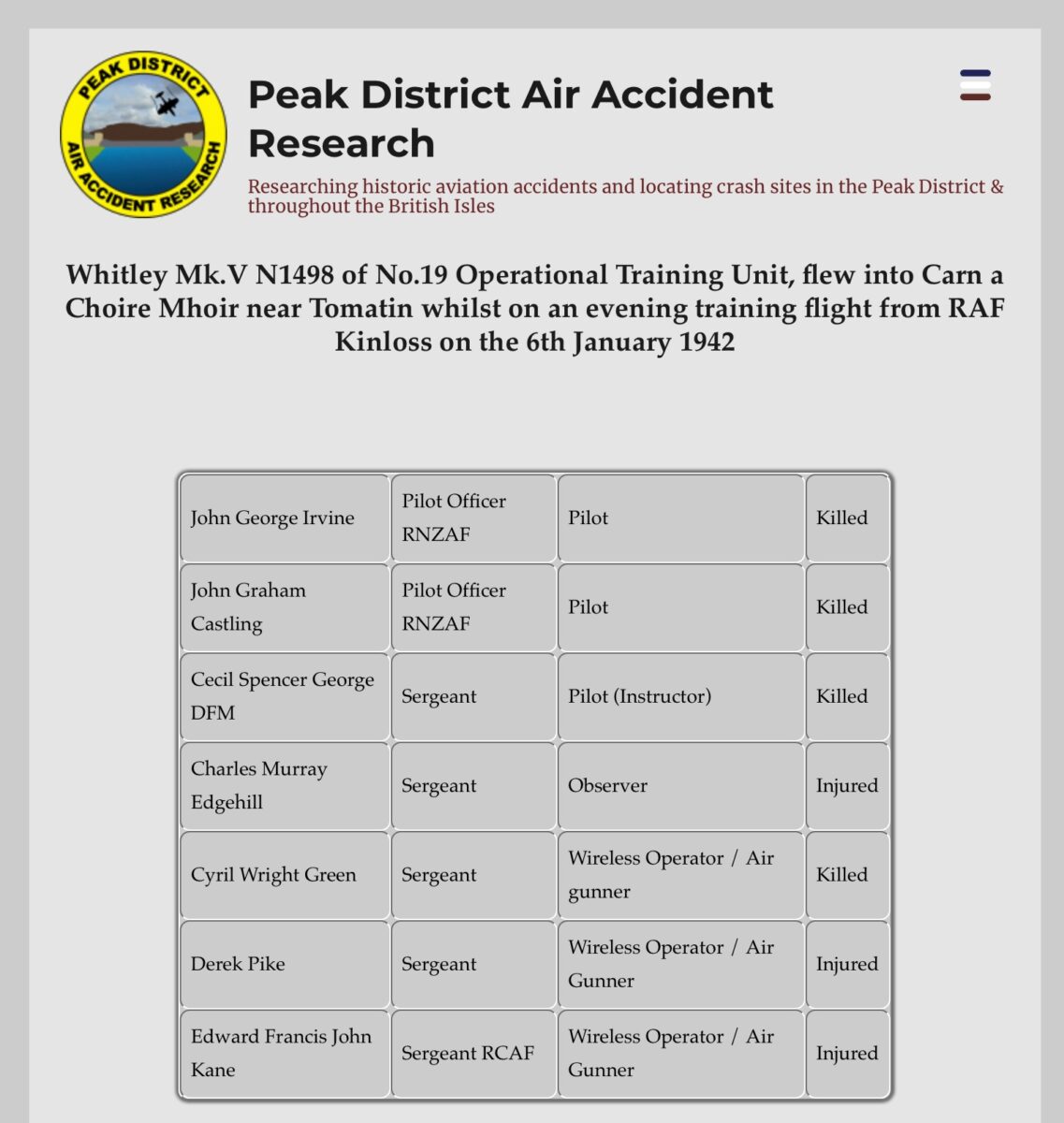
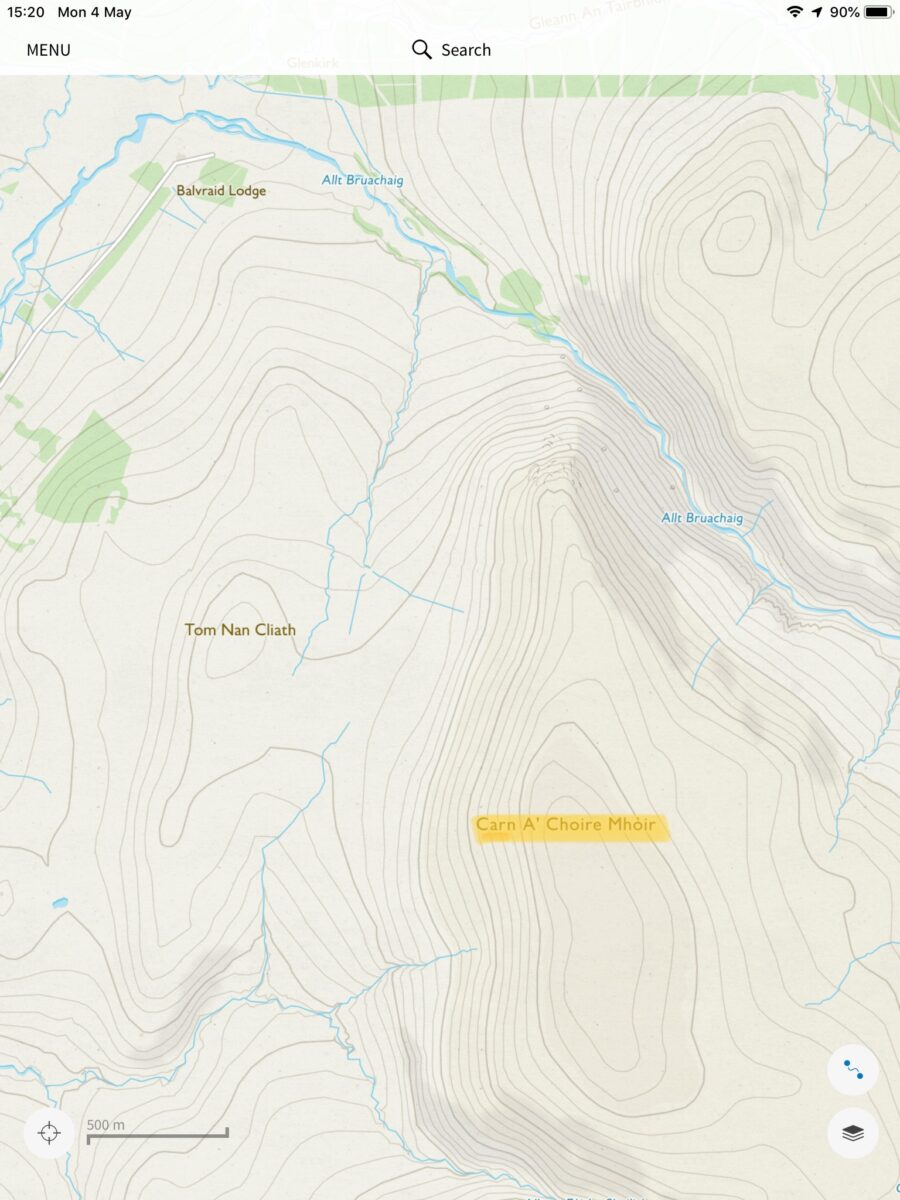
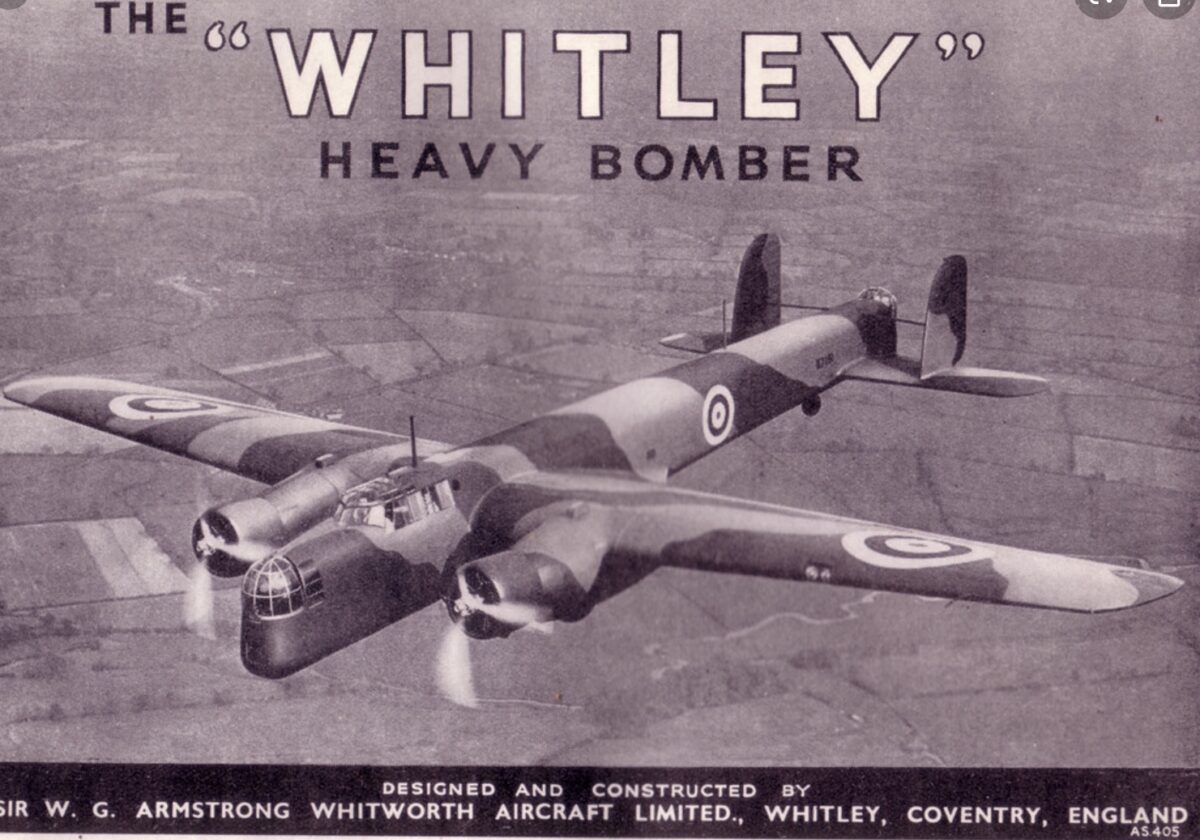
Almost exactly sixty years ago as I write, at about eight o’clock on the night of 6th January 1942, an Armstrong- Whitworth Whitley bomber, belonging to No. 19 Operational Training Unit at Kinloss and returning from a cross-country flight to Oban, crashed a few feet below the summit of Carn a’Choire Mhor, a couple of miles south-east of Balvraid Lodge, killing four of the seven men on board.
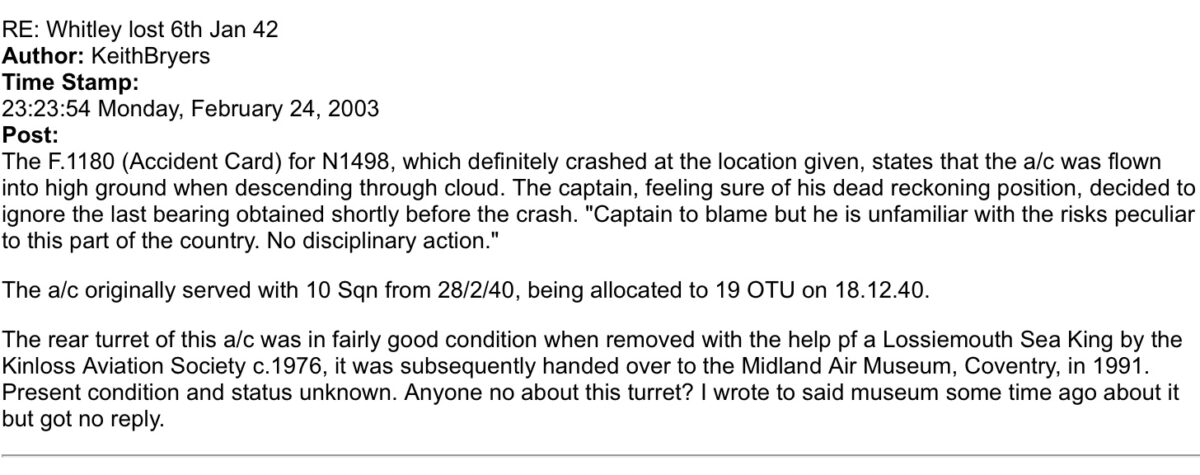
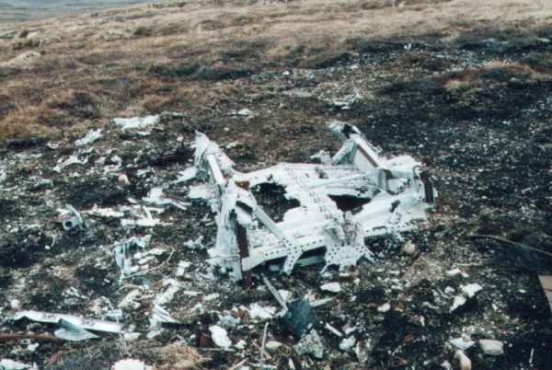
The flight had begun under unpromising circumstances, with heavy cloud, strong wind and unserviceable radio, but no flying had been possible for some days before, everybody was keen to get going again and the risks were deemed acceptable. As the flight progressed, cloud cover became almost complete, the sextant used for astro-navigation was found also to be unserviceable and the wireless operators had been unable to repair the radio, so a gentle let-down through a providential hole in the cloud was begun. The still-visible trail of fragments and scrapes on the ground suggest that the port wing-tip caught a slight projection on the side of the hill and that the aeroplane then slid along, breaking up as it went; the centre section of the fuselage, which contained the navigator’s and radio operator’s stations and where any passengers rode, took fire – there was a petrol tank in the roof – and was burnt out. Ironically, there was a Home Guard exercise that night and a sudden flare in the sky went unremarked.
The pilot and rear gunner, who were not seriously hurt, rescued the navigator, who had been flung down into the nose portion and had a badly damaged leg, wrapped him in parachutes and flying clothing and set out to find help; however, after a while, he began to think that there were better things to do than lie there and wait for somebody to find him or his body, so he crawled about a bit and found a fence which he followed, hopping on one leg and eventually reached Corrybrough. The three survivors survived the War but the pilot died before he could be traced; the gunner returned to Canada and the navigator came to Tomatin in March 1985, and I took him up to the cairn in conditions that must have been very like those of his first visit.
Following the custom of the day, when the bodies had been recovered (they are buried at Kinloss Abbey) the wreckage was earthed over to conceal it from prying German reconnaissance aircraft and abandoned.
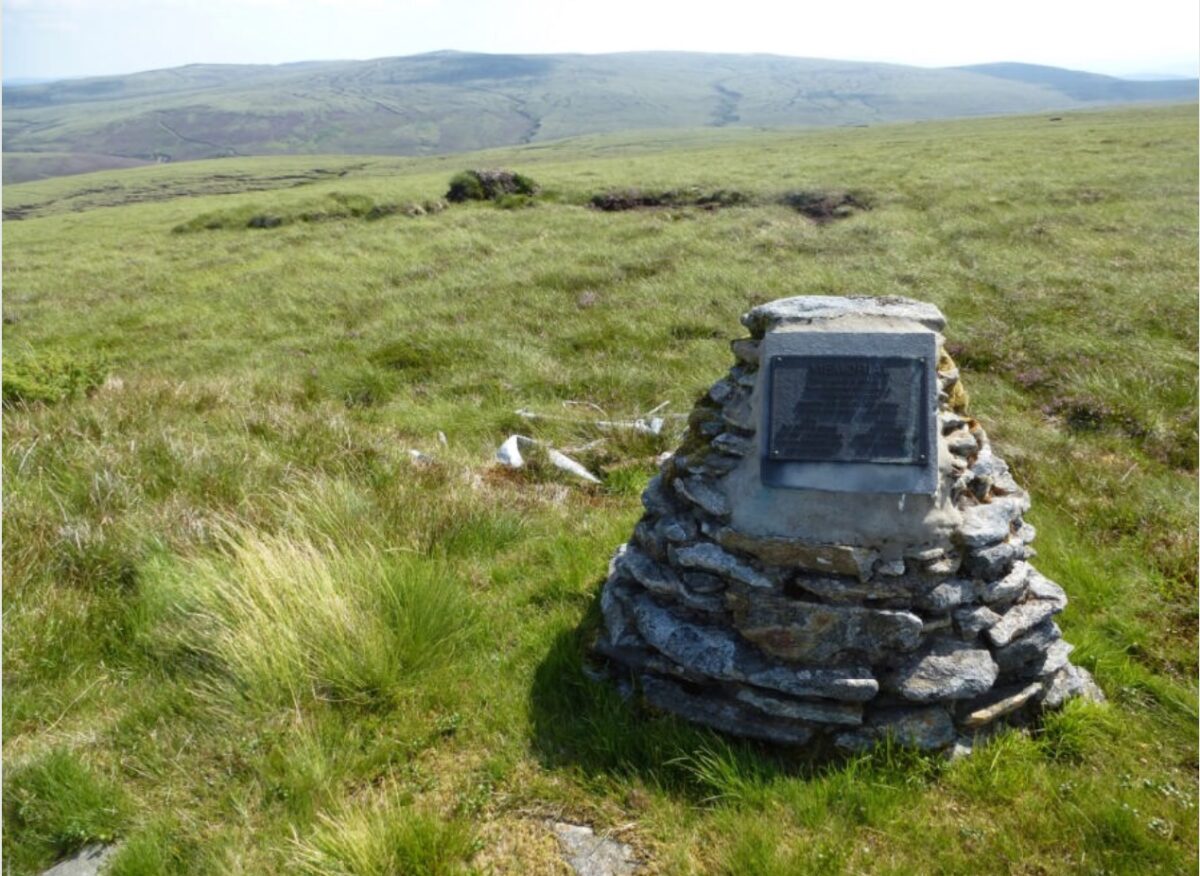
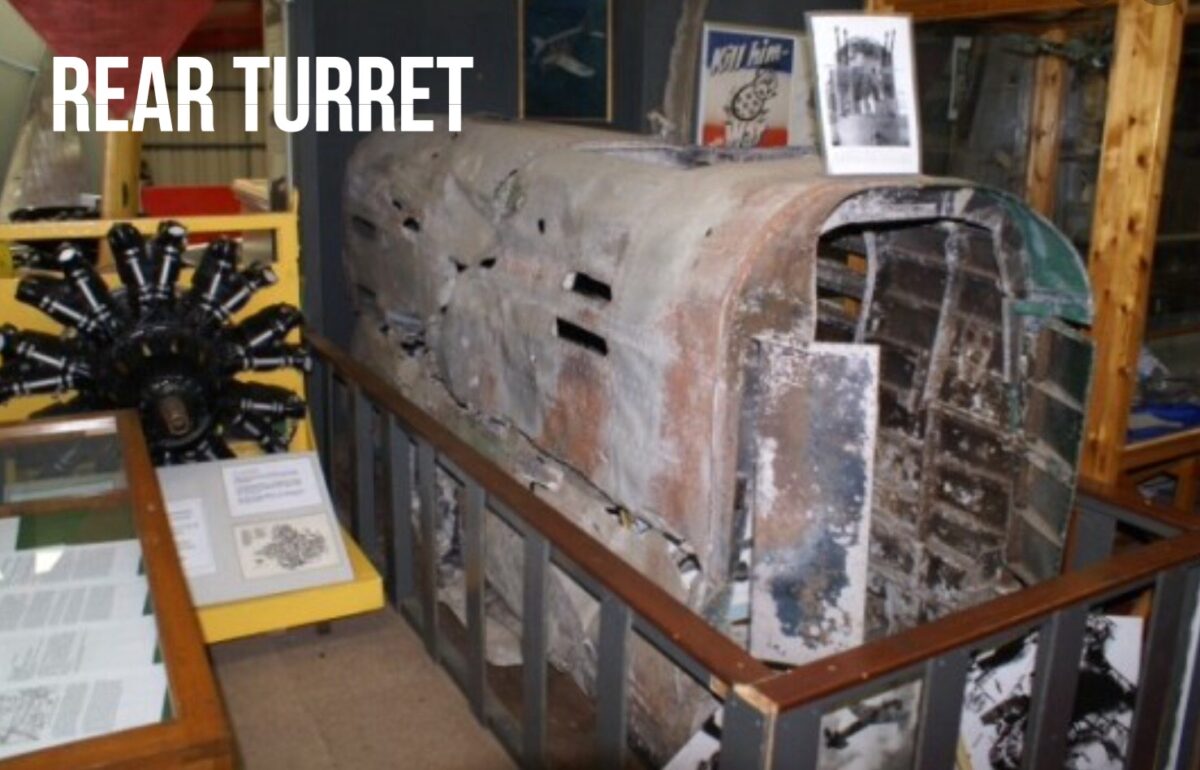
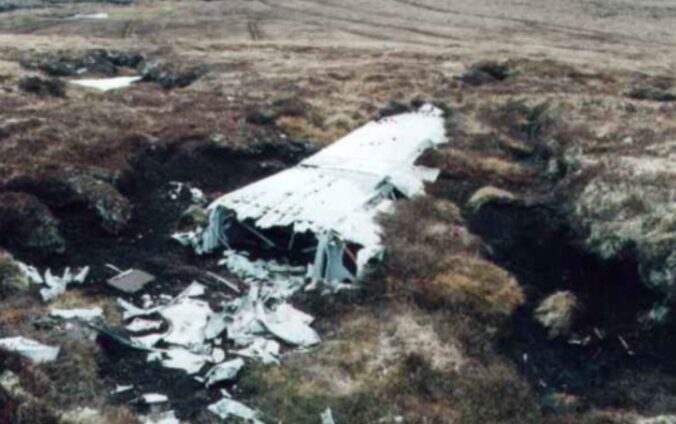
Long years afterwards, in the 1970s, the remnants had come to the surface and were spotted by some airmen flying over and permission was sought to salvage them; this was given and substantial fragments were taken to Kinloss, then to a storage depot at Cardington and finally to the Midland Air Museum at Coventry, where the Whitleys were made; a wing, and two undercarriage and engine bearer units and the burnt out centre fuselage were left on the site, where they remain, and a recent magnetometer survey indicated that some substantial remnants may still be under ground. More years passed and, at the instigation of Mr. Patrick Mackintosh Grant, a memorial cairn was built, at the end of July 1984, by men of No. 2622 (Highland) Squadron, R.Aux.A.F. Regiment; R.A.F. Kinloss supplied an engraved plaque and the Chaplain to R.A.F. Lossiemouth conducted a short Service of Dedication.
The search for survivors reached most comers of the aeronautical press and aroused ideas of a rebuild, for there are no survivors of what was an historic and important aeroplane of the early War years. Such thoughts coalesce only slowly but in the autumn of last year, recovery of remains from several sites commenced. During the four years that 19 O.T.U. operated Whitleys 128 were lost and, though some would have been cleared away and others went into the sea, there is a plentiful scattering of fragments over the Highland and elsewhere, since the type equipped No 4 Group of Bomber Command until supplanted by the Handley-Page Halifax and also served in Coastal Command and as a glider tug.
The present plan is to rebuild ‘our’ Whitley as a static exhibit for the Royal Air Force Museum and perhaps another for the Midland Air Museum; there appears to be a fairly plentiful supply of components lying about, apart from centre fuselages, which were nearly always burnt out and, as the leader of one of the salvage teams said to me “while you are building one new one, you might as well build two”.
These projects cost a lot of money, and require great skill and dedication on the part of the restoration teams, all of which adds up to a long time in the doing, often ten years or more. When it is finished, a little bit of Tomatin’s war history will go on show with, it is hoped, some of the story behind it which is at present told in the framed presentation in the entrance lobby of the Strathdearn Hall.
The Head-Teacher designate of the new Primary School is keen to adopt the rebuild as a Modern History Project and this will make an ongoing link between the restoration and the Community.
Jamie Scarlett, May 2002
Jamie Scarlett added an update in August 2003:
A couple of weeks ago, almost exactly sixty-one and a half years since it narrowly failed to clear the summit of the C’m a’ Choire Mhgir, the last visible remains of the
Armstrong Whitworth Whitley bomber. N1498, were brought down to the base of the hill and now await collection and transport to the Royal Air Force Museum’s Restoration Centre. Eventually, a beautiful new, but static aeroplane will emerge to
take its place in the Bomber Hall of the Museum among its contemporaries which. alas. do not yet include either a complete Halifax or a Stirling.
Work has been going on with the restoration for some time, concurrently with the collection of parts and fragments from crash sites all over the Highlands. Good progress has been made on restoration of the starboard wing and on fabricating some of the many internal instrument panels, but these are long jobs. carried out mainly by amateurs. The leading light in our project is a student doctor — and
without the lavish funding that goes to less worthwhile projects. Stocks of long outdated metal sections, often in long outdated metals, have to be found or re-made and drawings re- discovered. Many very elderly gentlemen – not so far as | have heard any ladies, although they were heavily involved in aircraft construction – have donated their knowledge, their relics and sometimes even the toolkits that they used when they made the machines.
All things considered, to-day’s primary school children can probably look forward with some confidence to taking their children to see the finished article.
Cam a’ Choire Mhoir seems to be beyond Microsoft. The accent on the first a is up to the left and and on the last o up to the right. I can never remember which is grave and which acute.
Photos gleaned from Google and other sources: